Dancer Spotlight: Ahna Lipchik
Name: Ahna Lipchik
Stage Name: Haven’t found it yet
Hometown: Milwaukee, WI
Company Member Since: 2024
Instagram: @ahnalipchik
What’s your “origin story”? How did you fall in love with ballet?
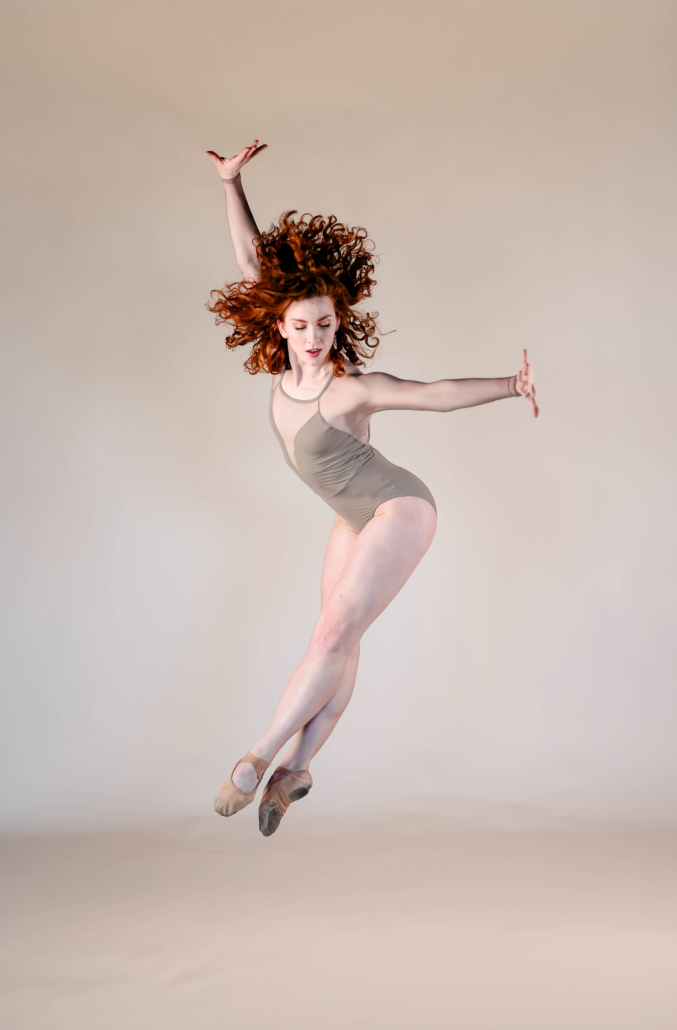
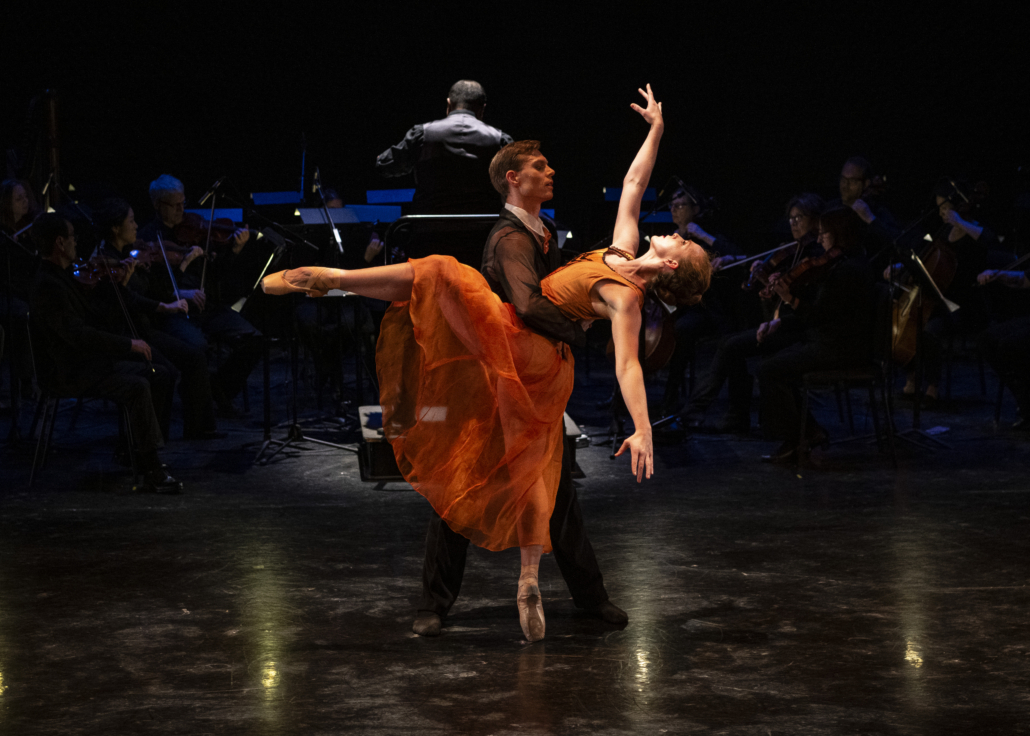
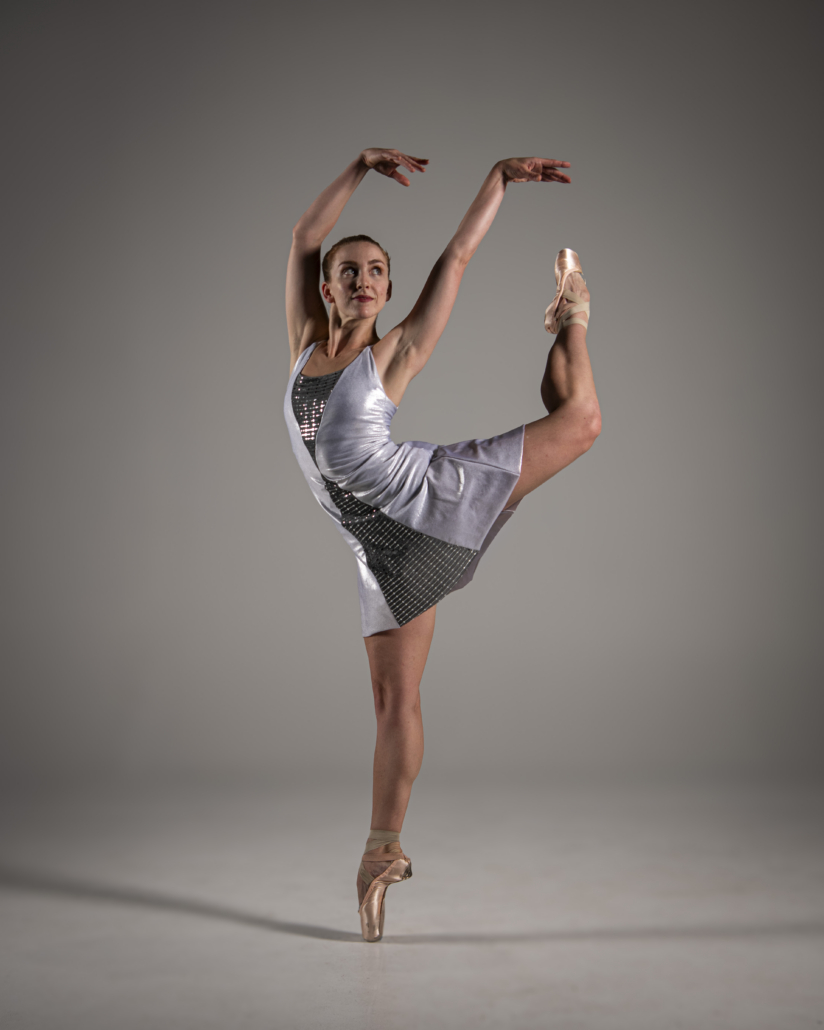
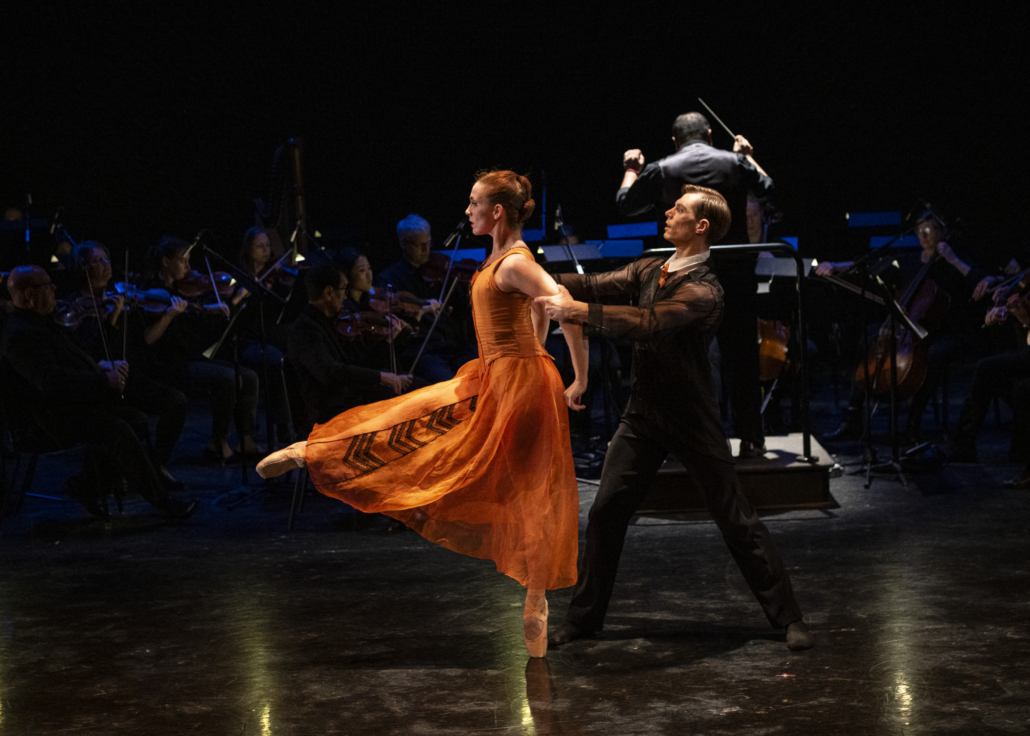
I grew up in a household where music was all around- My mom and sister are both professional musicians specializing in early (Baroque period) music. Mom has always loved ballet and is the principal cellist of the Milwaukee Ballet Orchestra, among many other hats she wears. As a kid I used to refuse to put my hair up and hated the way my uniform’s tights felt, but my ever-so-patient teacher would sit and do my hair for me each week. After a few dedicated years I found myself a part of a tight-knit community of friends that was working with 5, 6 days a week for classes and rehearsal. It became time to take things more seriously if I wanted to really pursue classical ballet as a profession- then I got injured. During my recovery I was told because of my body I wouldn’t ever dance for a classical ballet company. This of course hurt at the time and stayed with me for many years, but also made me realize how much I cared about the art form and how serious I was about continuing down the professional route. I ended up going to UNCSA for a few years where for the first time I became truly immersed in art and culture of several different mediums. It expended my understanding of all that dance could be and taught me the importance of collaboration.
Did I fall in love with ballet or am I just stubborn? We’ll never know…
Do you have any pre-show rituals or good-luck habits?
Ballet is so demanding- how do you take care of your body and recharge offstage?
I find balance by maintaining an outside community. I am lucky to love all of the people I work with at GRB, but it’s good to have time outside with different sorts of people with other interests and experiences. I find it puts things in perspective and helps me remember to remain human first. I also try to listen to my body- we work so hard and our bodies can only handle so much. Rest days are important!
What’s your go-to comfort food after a long rehearsal day?
Anything crunchy and salty.
Dancer memories are super-charged. How do you keep track of choreography?
I tend to process steps based on things like eye focus, direction, and general feeling of the phrase as a whole, similar to reading a sentence and not just sounding it out word-by-word. This contextualizes each step into something bigger that is easier to digest and remember. I watch and try to remember texture of movement, clear shapes (if applicable to the choreography), and the pathway from position to position.
What’s the best piece of advice you’ve ever received about dancing-or life in general?
There are a few:
“Work smart, not hard.”
“Most of the time, it isn’t personal.”
If you could dance any role, regardless of gender or repertoire, what would it be?
Once again, there are a few…
Victoria Page in Matthew Bourne’s The Red Shoes
Juliet in Romeo and Juliet
Odette/Odile in Swan Lake
Anything Crystal Pite, Sol Leon, Paul Lightfoot, Jiří Kylián
Lise in An American in Paris
All that said, I tend to dream about roles less and more-so enjoy bringing new creations to life.. especially in collaborative, explorative environments. The creation process is full of potential and it’s always exciting to see what comes of it and how we can push and grow within ourselves and to service the work.
Aside form shoes and warmups, what is a staple in your dance bag?
Snacks, headphones, extra hair elastics, water bottle, and a book I’ll sadly carry for a year and not read.
Where do you see ballet heading in the next few years, and what excites you most about being part that future?
It’s tough to say. Traditional fairytale stories sell tickets, but there’s a huge demographic looking for new stories that are more representative of our current experience. I’d like to see new creations that can capture the unique magic of classical ballet and maintain the classical vocabulary while incorporating elements that modern audiences can connect to. The history and methodology of classical ballet will live on if we can use that language to speak to a modern world with characters, plot-lines, and emotions they can relate to and be moved-by.